
Pakistan’s Historic Fuel Price Crisis: Petrol Hits Rs. 458 as Geopolitical Tensions and IMF Conditions Collide:
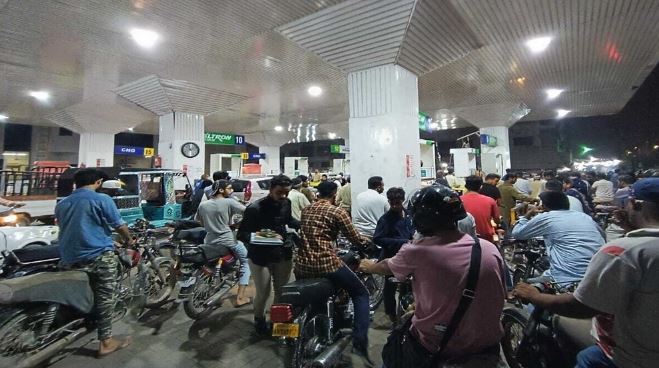
In a move that has sent shockwaves through the nation, the Government of Pakistan announced a massive fuel price hike effective April 3, 2026, pushing petrol prices to an unprecedented Rs. 458.41 per liter and diesel to Rs. 520.35 per liter. This represents one of the steepest single increases in the country’s history, with petrol jumping by Rs. 137.23 (43%) and diesel soaring by Rs. 184.49 (55%) in a single adjustment.
Understanding the Price Structure: Where Does Your Money Go?:
To comprehend the magnitude of this increase, it’s essential to break down what consumers are actually paying for at the pump. According to official notifications from the Petroleum Division and OGRA, the Rs. 458.41 per liter petrol price consists of several components:
The base ex-refinery price stands at Rs. 271.27 per liter, representing approximately 59% of the retail price. This component reflects the actual cost of importing and refining petroleum, with Pakistan importing roughly 80% of its fuel requirements. Global oil prices and the rupee-dollar exchange rate heavily influence this figure.
The Petroleum Levy (PL) has been raised to a record Rs. 160.61 per liter, accounting for about 35% of the retail price. This represents an increase of Rs. 55.24 from the previous rate of Rs. 105.37. Combined with the Climate Support Levy (Rs. 2.50), Inland Freight Equalization Margin, Oil Marketing Companies margin (approximately Rs. 7.87), and Dealer Commission (around Rs. 8.64), government taxes and levies now exceed Rs. 163 per liter.
This means Pakistani consumers are paying more in taxes than the actual fuel cost itself—a unprecedented development in the country’s energy pricing history.
The Geopolitical Catalyst: Middle East Conflict’s Ripple Effects:
The immediate trigger for this price surge lies thousands of kilometers away in the escalating US-Israel conflict with Iran. The closure of the Strait of Hormuz—a critical chokepoint through which approximately 20% of global petroleum shipments pass—has created severe supply disruptions in international energy markets.
Global diesel prices have jumped by more than $46 per barrel, while petrol prices have surged by approximately 80% since the conflict intensified. Iran has temporarily shut major oil and gas fields, further tightening global supply. These international market dynamics have left Pakistan with limited options, as the country depends heavily on imported fuel to meet domestic demand.
Prime Minister Shehbaz Sharif, accompanied by Finance Minister Muhammad Aurangzeb and Petroleum Minister Ali Pervaiz Malik, announced the price adjustments through pre-recorded video messages—a departure from previous occasions when the prime minister directly addressed the nation. Officials explained the early announcement was designed to discourage hoarding and panic buying at petrol stations.
The IMF Factor: Subsidy Constraints and Fiscal Pressures:
Behind the scenes, negotiations with the International Monetary Fund (IMF) have played a crucial role in shaping the government’s response. Pakistan had been absorbing global price shocks by freezing petrol and diesel prices for three weeks, despite surging international costs. This price stabilization effort consumed an estimated Rs. 129 billion in subsidies.
However, the IMF capped total fuel relief at Rs. 152 billion, leaving minimal fiscal space for continued price absorption. Government officials failed to convince the fund to allow additional subsidies or flexibility in the pricing mechanism. This constraint has forced the government to pass costs directly to consumers while implementing targeted relief measures for vulnerable segments.
The IMF has repeatedly called for reducing blanket subsidies and aligning domestic energy prices with global market rates as part of Pakistan’s economic reform program. While the fund tacitly accepted the Rs. 152 billion subsidy cap, it continues to urge Pakistan to remove what it terms “distortions” in petroleum pricing and move toward market-based mechanisms.
Policy Responses: Targeted Relief Amid Austerity:
Faced with limited options, the government has adopted a dual strategy of targeted subsidies for vulnerable groups combined with austerity measures to create fiscal space. The petroleum levy on diesel has been abolished entirely, with only a Rs. 2.50 per liter carbon levy retained, providing some relief to the transport and agricultural sectors.
For motorcyclists—who constitute a significant portion of Pakistan’s commuters—a Rs. 100 per liter subsidy has been introduced, covering up to 20 liters per month for three months. Additional support measures target small farmers, truck operators carrying essential goods, and public transport providers.
On the expenditure side, the government has implemented several austerity measures:
A Rs. 100 billion reduction in the Public Sector Development Programme
A 20% cut in non-salary expenditures across federal ministries
Reductions in fuel allowances for official vehicles
However, critics have pointed to contradictions between these austerity claims and continued privileges for top bureaucrats and ministers. Federal vehicles, including heavy-duty luxury cars, remain in use by officials, while ministers continue traveling with full security escorts.
Economic Implications: Inflation, Poverty, and Social Impact:
The fuel price surge arrives at a particularly challenging time for Pakistan’s economy. The country is already grappling with the highest poverty levels in 11 years, record income inequality, and the highest unemployment rate in 21 years. The cumulative effect of successive fuel price hikes threatens to exacerbate these pressures significantly.
Transport costs directly impact the prices of essential commodities, as goods movement becomes more expensive. Electricity tariffs, which include fuel adjustment charges, are likely to rise further. Food prices, already elevated due to previous inflationary pressures, could see additional increases as distribution costs climb.
A motorbike rider filling a 10-liter tank now pays over Rs. 1,600 more compared to a month ago, with a substantial portion going to government taxes. Rickshaw drivers, delivery riders, and middle-class commuters face higher daily costs that feed directly into broader inflationary pressures throughout the economy.
Regional Context and Diplomatic Engagement:
The fuel crisis coincides with major geopolitical tensions that extend beyond Pakistan’s borders. Finance Minister Aurangzeb met with US Chargé d’Affaires Natalie Baker ahead of the IMF and World Bank spring meetings to brief on Pakistan’s energy sector challenges. Discussions focused on fuel procurement, pricing mechanisms, and targeted subsidy reforms.
The US side reaffirmed support for Pakistan’s stabilization measures and highlighted potential investment opportunities in energy, mining, technology, logistics, and infrastructure. This diplomatic engagement underscores the international community’s recognition of Pakistan’s precarious economic position.
Industry Concerns and Pricing Mechanism Debates:
The petroleum industry has raised significant concerns about proposed changes to the pricing formula. Industry representatives warn that a framework based on a four-week Platts average and inventory cost mechanisms lacks clarity and could disrupt refinery operations. The proposed changes could concentrate import responsibilities, strain financial capacity, and create liquidity issues.
Pakistan State Oil (PSO), the country’s largest oil marketing company with over 3,500 retail fuel stations, cautioned that such changes could discourage new supply contracts and destabilize the supply chain. The government has currently rejected these proposals, preferring to maintain the existing pricing mechanism that has historically ensured supply stability during periods of volatility, including the 2022 global energy crisis.
Looking Ahead: Uncertain Prospects:
The next price revision is scheduled for mid-April, with global oil prices and the rupee-dollar exchange rate serving as key determinants. Analysts warn that continued escalation in global oil prices and domestic fuel costs could further strain household budgets and fuel broader inflationary pressures.
Officials state the government is formulating strategies to mitigate the economic impact of regional tensions, ensuring stable production and supply chains, supporting exports, and maintaining social protection measures. However, with global geopolitical uncertainties showing no signs of immediate resolution, Pakistani consumers may need to prepare for continued volatility in energy prices.
The historic Rs. 458 petrol price represents not just a number, but a confluence of international conflict, structural economic constraints, and difficult policy choices. As Pakistan navigates these turbulent waters, the challenge lies in balancing fiscal responsibility with social protection—a task that grows more complex with each passing day.
Because of the pressure the price was reduced to 380 very next day.